Why a Sewer Scope Inspection is Crucial Before Buying a Home
Buying a home is one of the most significant financial investments you will ever make. While a standard pre-purchase home inspection is excellent for evaluating the roof, structure, plumbing, and electrical systems, it cannot see through solid ground. There is a hidden, high-stakes system buried deep beneath the foundation that standard inspections skip: your underground sewer line.
If you are preparing to close on a property, adding a sewer scope inspection to your checklist is the single best way to protect your wallet from catastrophic, hidden repair costs.
What is a Sewer Scope Inspection?
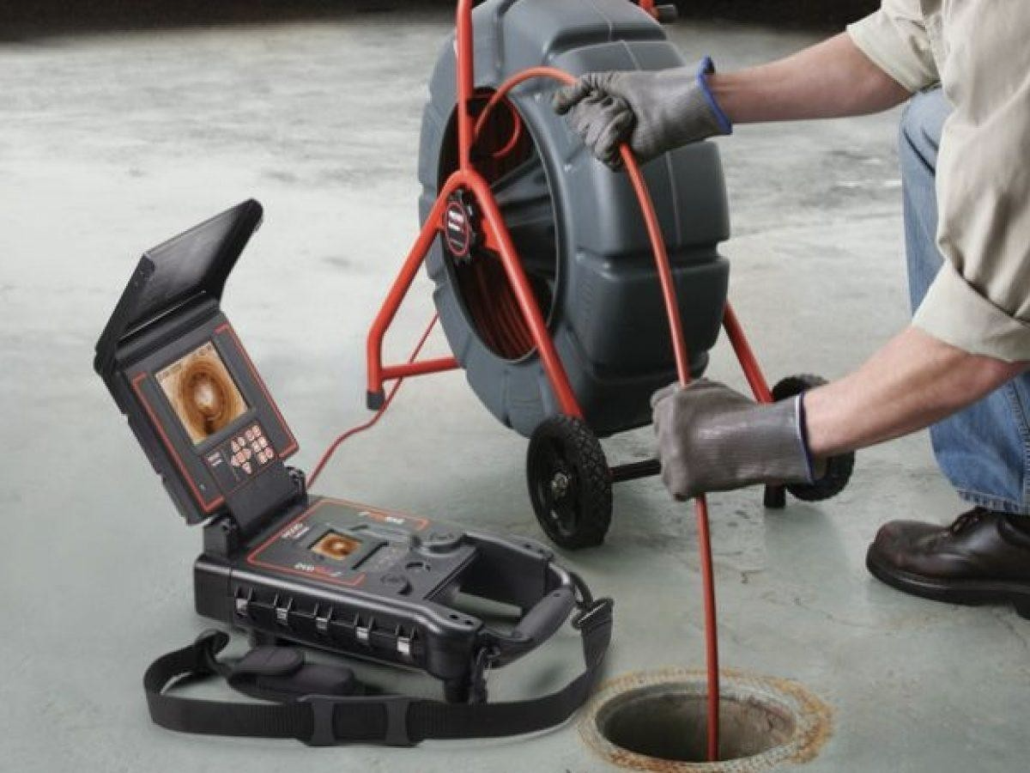
A sewer scope inspection is a quick, non-invasive procedure where a certified home inspector feeds a specialized, high-definition flexible camera down your home’s main sewer lateral line. As the camera travels from the house to the city water main or septic tank, the inspector can view a live video feed of the pipe’s internal condition.
This process exposes hidden defects that are otherwise impossible to detect until a major sewage backup occurs inside the home.
The Hidden Dangers Buried in Older (and Newer) Pipes
Sewer line repairs are rarely cheap. Depending on the depth of the pipe and whether your driveway or landscaping has to be excavated, replacing a collapsed line can easily range from $3,000 to over $15,000.
A sewer scope camera accurately pinpoints the most common underground structural failures:
- Tree Root Intrusion: Tree roots aggressively seek out moisture. They can easily force their way through small cracks or pipe joints, creating massive internal blockages that catch debris and cause total system backups.
- Pipe Shifting and Offsets: Over time, shifting soil can cause sections of the sewer pipe to detach or sag. This creates an “offset” where waste gets trapped, inevitably leading to a clogged line.
- Low Spots or “Bellies”: A belly occurs when a section of the pipe sags due to improper installation or soil settling. Waste collects in these low spots, creating a chronic backup hazard.
- Cracked or Collapsed Lines: Older homes built with cast iron, clay, or Orangeburg pipes are highly susceptible to rusting out, cracking, or completely collapsing under the weight of the earth.
Why You Shouldn’t Skip This Test—Even on New Construction
A common misconception among homebuyers is that brand-new homes don’t need a sewer scope. However, new construction lines are frequently compromised by heavy machinery driving over the yard, shifts in new soil, or construction workers accidentally flushing heavy debris (like concrete mix or drywall mud) down the drains during the build process. Finding these defects before you sign the final paperwork ensures the builder pays for the repair, not you.
Protect Your Investment Today
A standard home inspection tells you if the toilets flush; a sewer scope tells you where that waste is actually going. For a fraction of the cost of a major plumbing emergency, a camera inspection gives you total clarity, leverage during price negotiations, and absolute peace of mind before you turn the key.
Don’t leave your underground plumbing to guesswork. Contact us today to add a certified Sewer Scope to your pre-purchase home inspection package!
Leave a Reply
Want to join the discussion?Feel free to contribute!